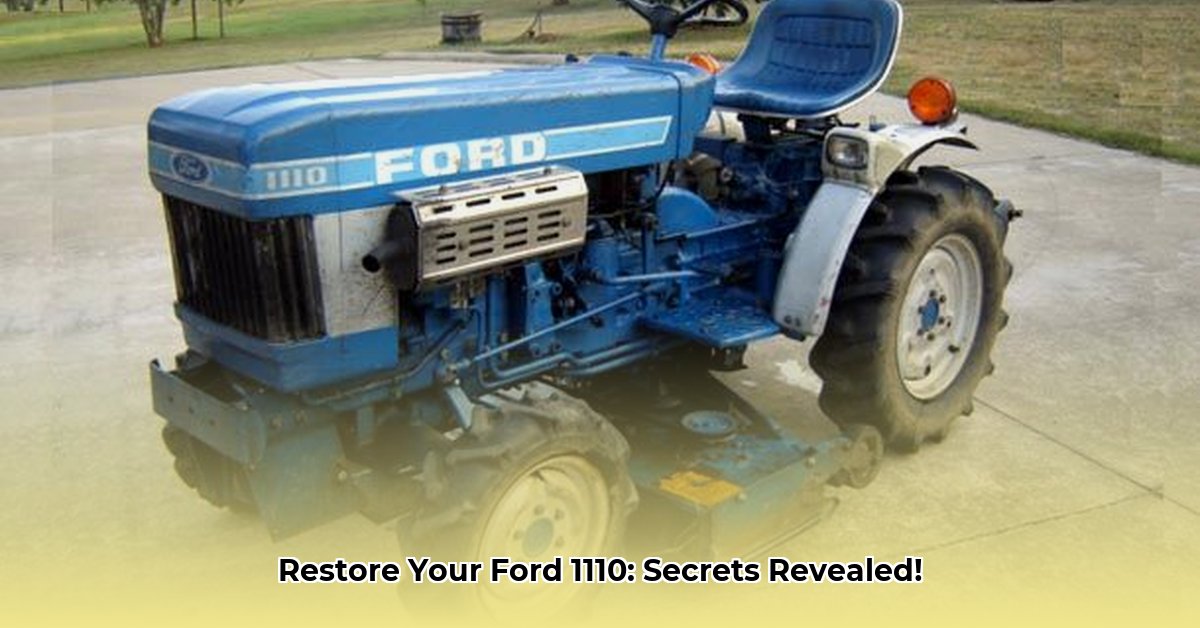
Ford 1110 Tractor: A Comprehensive Overview
The Ford 1110, a compact tractor manufactured from 1983 to 1986, represents a fascinating blend of robust engineering and affordable design. More than just a farm implement, it's a time capsule of agricultural technology and a prized possession for vintage machinery enthusiasts. This guide delves into the technical details, historical context, and the rewarding – yet challenging – experience of restoring this iconic machine. Understanding the Ford 1110's inner workings, its place in history, and the practical considerations of ownership offers a complete perspective for collectors and aspiring restorers. For more information on similar Ford tractors, check out this helpful resource: Ford tractor problems. What makes this little powerhouse so appealing to collectors today? Let's find out.
Technical Specifications: Power and Precision
At the heart of the Ford 1110 is the Shibaura LEK757C, a two-cylinder diesel engine (a type of internal combustion engine that uses diesel fuel). Despite its compact size (0.7 liters of displacement), this engine delivers a respectable 13 hp (9.7 kW) of net engine power. This power is transferred to the ground with a surprising amount of control that makes it suitable for a variety of tasks. The impressive power-to-size ratio is a testament to engineering efficiency. This surprising amount of power from such a small engine is a key aspect to the tractor's appeal.
The Ford 1110 offered transmission options tailored to diverse needs. A 10-speed geared transmission provided robust power delivery while the choice of a hydrostatic transmission ensured smoother operation. This choice of transmission options makes this machine perfect for a wide variety of tasks. For precision work, a 15-speed creeper gear offered exceptional control, allowing for fine adjustments during delicate operations. How did this level of flexibility impact the tractor's overall success? Let's dive deeper.
| Specification | Value |
|---|---|
| Engine | Shibaura LEK757C |
| Engine Type | 2-cylinder Diesel |
| Displacement | 0.7 liters |
| Net Engine Power | 13 hp (9.7 kW) |
| PTO Power | 11.5 hp (8.6 kW) |
| Transmission Options | 10-speed geared, Hydrostatic, 15-speed creeper |
Historical Context: A Product of its Time
The Ford 1110 emerged during a period of significant change in the agricultural sector. Its relatively affordable price point—approximately $6,231 in 1986—made it accessible to a broader range of users than many competitors. The strategic choice of the Shibaura engine represented a common practice among manufacturers, reflecting the globalization of agricultural machinery. The tractor's success can be attributed to this affordable price and innovative design during a time of rapid technological advancement. But did this popularity translate into lasting impact?
Modern Relevance: Collector's Item and Restoration Challenge
While the Ford 1110's technology is outdated by modern standards, its historical significance and charming design have secured its place among collectors' favorites. The compact size and surprising power are only two reasons for the Ford 1110's continued appeal to collectors. However, restoring a Ford 1110 presents unique challenges. Sourcing original parts can be incredibly difficult due to the age of the tractor and the discontinuation of production. This makes the Ford 1110 a true testament to the dedication and persistence of its restoration fanbase. While there are some resources, such as Broken Tractor, the quest for parts often requires extensive online research and perseverance. What are the most significant hurdles faced by restorers? What steps can ensure the success of their endeavors?
A Step-by-Step Restoration Guide
Restoring a Ford 1110 requires careful planning and patience. This step-by-step guide tackles each stage of the restoration process.
- Assessment: Begin with a detailed inspection, documenting the condition of every component. Photographs are invaluable.
- Parts Procurement: This is often the most demanding stage. Explore various avenues: aftermarket suppliers, online forums, salvage yards.
- Mechanical Overhaul: This may involve a simple tune-up or a complete engine rebuild, depending on condition. Seek expert advice if needed.
- Cosmetic Restoration: Address the tractor's appearance with repainting, cleaning, and refurbishment of worn components.
- Testing and Fine-Tuning: Thoroughly test all functions after reassembly and refine as needed.
Risk Assessment and Mitigation
Restoring a vintage tractor involves inherent risks. Understanding and mitigating these risks is crucial for success.
| Component | Risk Type | Severity | Mitigation |
|---|---|---|---|
| Shibaura LEK757C Engine | Parts Availability | High | Extensive searching, online forums, specialized suppliers. |
| Hydrostatic Transmission | Component Failure | Medium | Preventative maintenance, potential rebuild/replacement. |
| Mechanical Components | Wear and Tear | Medium | Regular lubrication and preventative maintenance. |
Restoration of a Ford 1110 is a challenging but rewarding journey. Finding solutions to these challenges ensures the preservation of these machines and showcases what true commitment and dedication can achieve.
Conclusion: Enduring Legacy
The Ford 1110 compact tractor, despite its age, retains a powerful appeal. Its historical significance, innovative design for its time, and the rewarding challenge of restoration contribute to its enduring legacy. For collectors and enthusiasts, the Ford 1110 stands as a symbol of mechanical ingenuity and a testament to the enduring spirit of agricultural innovation. The journey of restoring one is a testament to dedication and serves as a unique connection to a bygone era.